Inland Dry Ports Move to the NPA. What It Means for Cargo Moving Inland
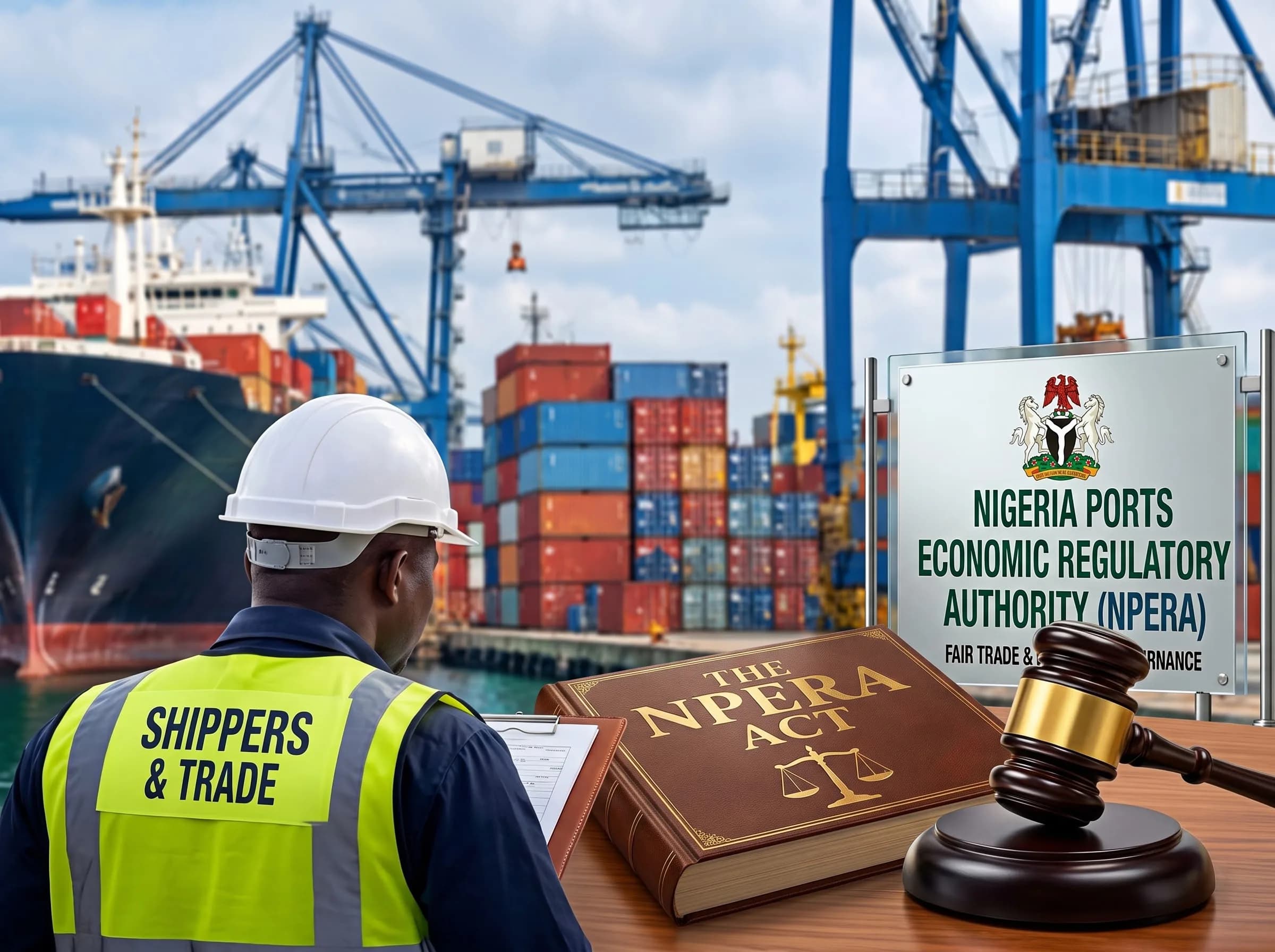
Responsibility for Nigeria’s inland dry ports has changed hands. On 3 September, the Minister of Marine and Blue Economy, Dr Adegboyega Oyetola, directed the transfer of the inland dry port functions of the Nigerian Shippers’ Council to the Nigerian Ports Authority.
The Minister said the transfer was part of an effort to establish a clear separation between port economic regulation, development and operations. The announcement was made in a statement on his X page and explained in Abuja by his Special Adviser, Mr Bolaji Akinola.
Why the change was made
The directive follows the enactment of the Nigeria Ports Economic Regulatory Agency Act, 2026, under which the Shippers’ Council transitions into NPERA as the substantive economic regulator for the port sector.
The Council’s interim regulatory role had carried with it responsibility for promoting and developing inland dry ports. Under the new arrangement, NPERA is to concentrate on regulating tariffs and charges, competition, licensing, service standards and commercial disputes, while the NPA takes over the inland dry port functions.
Oyetola said the separation was intended to prevent the economic regulator from carrying responsibilities that could create conflicts of interest. The reasoning is straightforward. A body that promotes and develops a class of facility is poorly placed to regulate the economics of that same facility impartially.
What an inland dry port does
An inland dry port moves the point of customs clearance away from the seaport. Cargo is discharged at the coast and moved under customs control to an inland terminal, where clearance, examination and delivery take place. The facility functions as a port of origin for exports and a port of destination for imports, without being on the water.
The commercial logic is about haulage. An importer in Kano or Kaduna clearing at Apapa or Tin Can must first get a container out of Lagos, which means a truck on the Lagos–Ibadan corridor and whatever the port access roads are doing that week. Clearing inland shifts that leg to a bonded movement and puts the paperwork closer to the buyer. For exporters, an inland terminal allows cargo to be consolidated and documented at source rather than at the coast.
That is the theory the dry port programme has always rested on. Whether Nigeria’s facilities deliver it in practice is a separate question, and one NTMR intends to examine.
What exists now
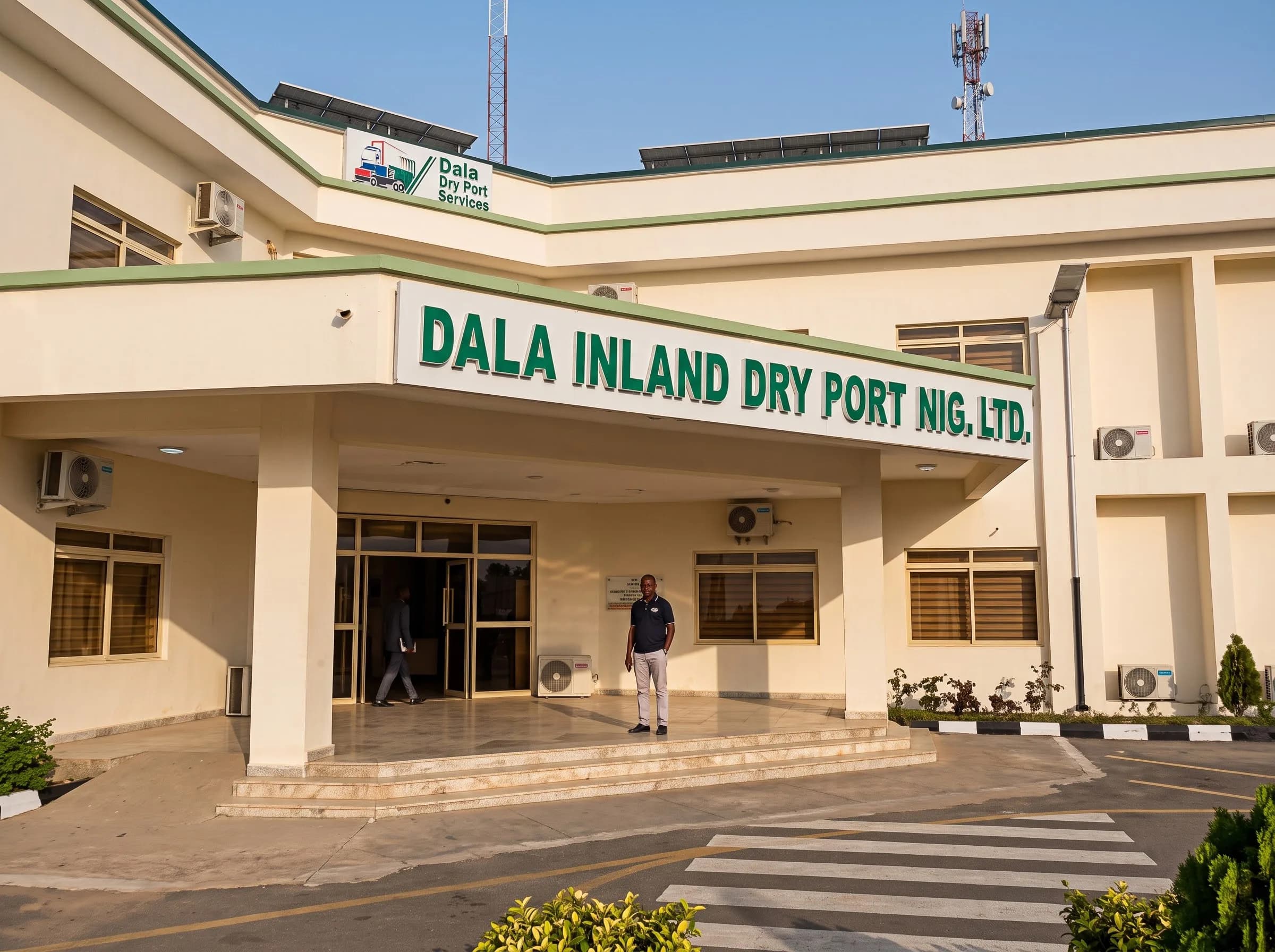
Nigeria has three operating inland dry ports: the Kaduna Inland Dry Port, the Dala Inland Dry Port in Kano and the Funtua Dry Port in Katsina. Further facilities in Oyo, Abia, Plateau, Borno and Lagos states are at various stages of planning.
The transfer therefore involves a small operating estate and a larger pipeline of projects at different stages of development. The pipeline is the more consequential part of what the NPA has taken on.
Questions the transition raises
The directive states the destination but not the mechanics. Several matters remain to be settled.
Existing arrangements. Inland dry ports have been developed under concession and licensing arrangements entered into while the Council held the function. On what terms those arrangements transfer, and whether operators face any change in counterparty obligations, has not been stated publicly.
The pipeline. Projects in planning were being progressed under the Council’s promotional mandate. Whether the NPA continues them on the same basis, and on what timetable, is not yet known.
The regulatory perimeter. NPERA is to regulate port economics. The NPA now develops and oversees inland dry ports as well as the seaports. Whether inland dry port charges fall within NPERA’s regulatory reach is a question the sector will want answered, since users of those facilities pay tariffs in the same way seaport users do.
Oyetola has also directed the immediate constitution of a ministerial committee to oversee the transition of the Council into NPERA. That committee is the body most likely to settle these questions.
What NTMR will follow
The transfer is an institutional decision with a commercial destination. The test of it is whether cargo clears inland faster and more cheaply than it did, and whether the projects in the pipeline reach operation. NTMR will report on the terms of the handover and on the performance of the facilities themselves.
Inland dry port operators, hauliers, clearing agents and shippers are invited to share their experience. Write to editor@nt-mr.com.